Respiratory Conditions

Respiratory care looks at cough, wheeze, chest tightness, and breathlessness, and at the triggers that set them off. A short infection and a longer lung condition can feel similar at first. Dr. Thomas starts with a careful history and exam so treatment matches the pattern, whether that is a flare, an infection, or a condition that needs ongoing follow-up.
Symptoms & Risks
A cough that lasts, wheezing, chest tightness, and getting winded on stairs or during usual tasks should not be brushed aside. Nighttime symptoms, repeated chest infections, and needing to stop activity to catch your breath are also important clues. Without a plan, flare-ups can limit work and exercise, and infections can come back more often. Smoking, dust, strong scents, cold air, and recent illness are common triggers worth naming at the visit.
Day-to-Day Breathing Concerns
Many people adapt by walking slower or avoiding the situations that make them cough, which hides how much the problem has grown. A short note of when symptoms start, what you were doing, and what helped makes the visit more useful. Care also covers how you use inhalers or other breathing medicines if you already have them, because technique changes how well treatment works.
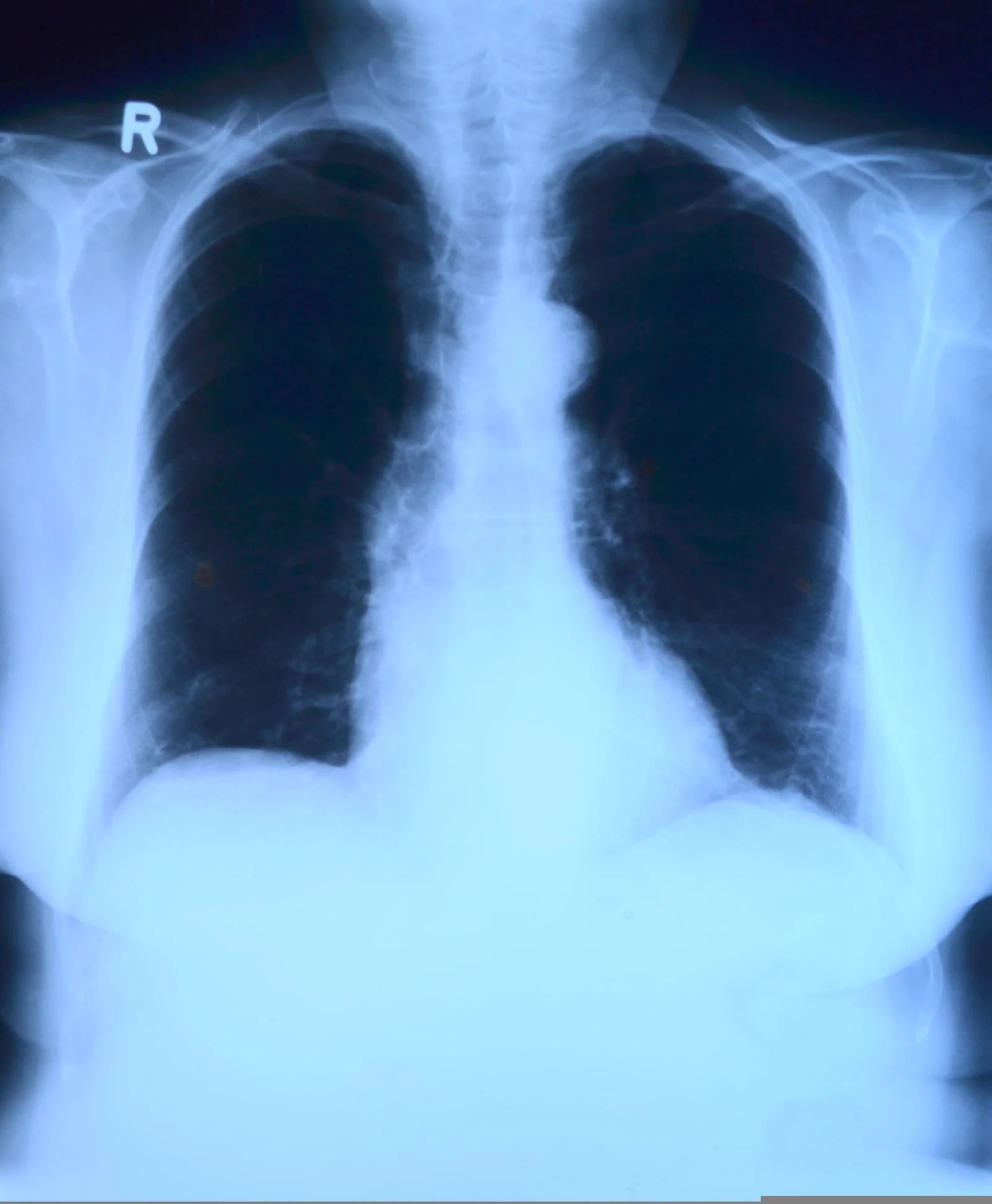
Respiratory Evaluation
Evaluation builds a picture of your breathing, not only a single symptom:
- Listening to the lungs and checking oxygen during the visit
- History of cough, wheeze, infections, smoking, and home or work triggers
- Review of inhalers or other breathing medicines and how you use them
- Questions about nighttime symptoms, exercise limits, and recent illness
- Chest imaging when infection or another lung problem is possible
- Breathing tests when they will clarify the pattern and guide treatment

You should leave knowing what the exam showed, which tests are still needed, and what to watch until the next visit.
Respiratory Treatment
Treatment is aimed at the type of breathing problem and at the triggers you can change:
- A plan matched to infection, flare-ups, or longer-term lung disease
- Medicine review, including a check of inhaler technique when relevant
- Steps to cut smoke, dust, and other irritants that set off symptoms
- A written approach for what to do when breathing suddenly worsens
- Follow-up after an infection or when the usual pattern changes
- Teaching you which symptoms can be watched and which need a sooner visit
Better days come from both the right medicine and a plan you can use when symptoms flare at home.

When to Seek Care
Arrange a visit for a cough that lingers, wheezing, chest tightness, or breathlessness that limits usual activity. Seek urgent care if you are struggling to speak in full sentences, lips or fingertips look blue, or breathing is getting worse quickly. Those signs should not wait for a routine appointment.