Managing High Blood Pressure: Long-Term Heart Health.

High blood pressure often develops quietly, yet it remains one of the strongest risk factors for heart disease and stroke. Consistent monitoring and simple daily habits can protect long-term heart health and help you stay in control of your numbers.
What Is High Blood Pressure?
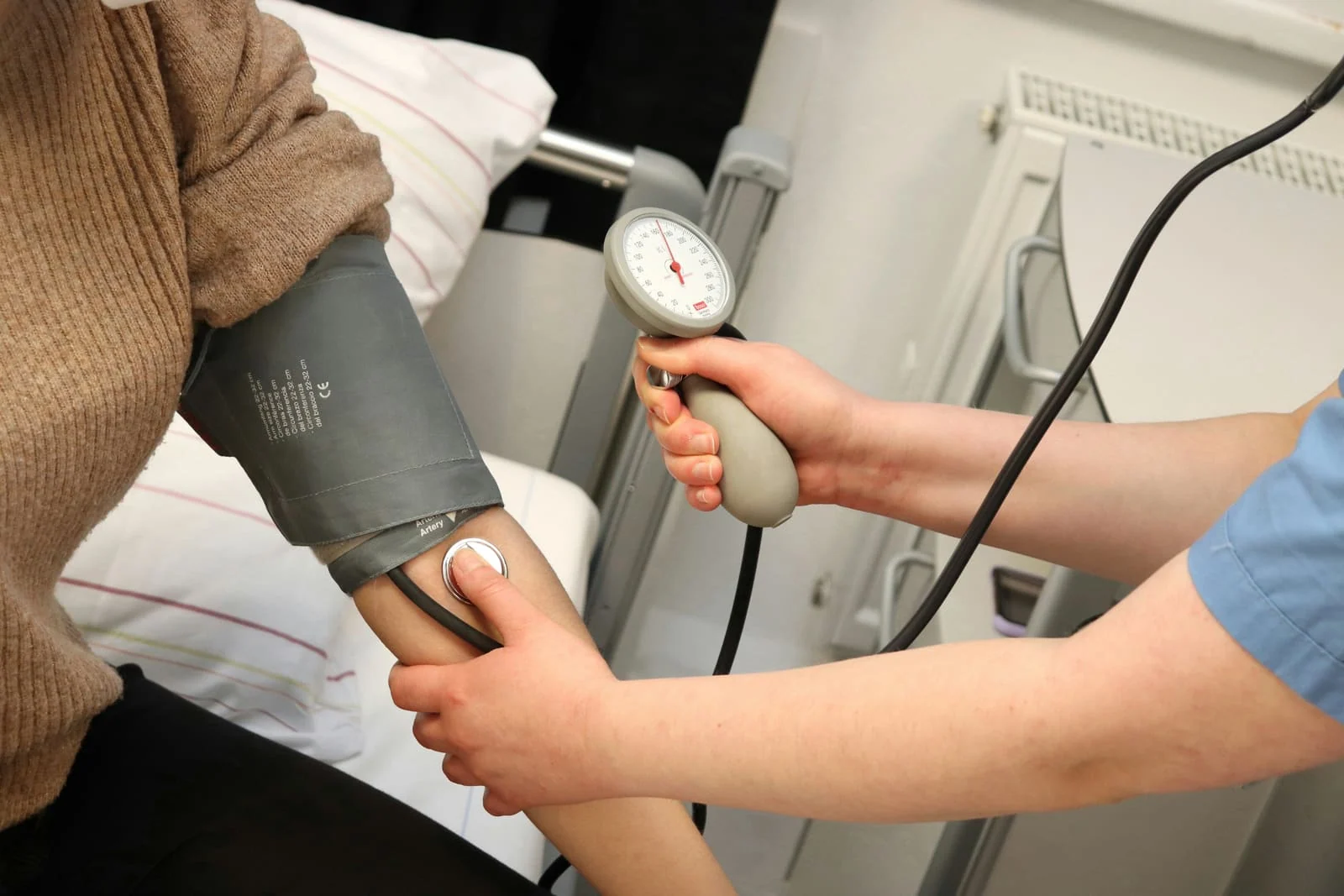
Blood pressure measures the force of blood against artery walls. Hypertension occurs when that force stays elevated over time. Many people feel no symptoms, which is why regular checks are essential. Silent damage can build for years before a major event.
Common Warning Signs to Watch
Many people have no symptoms, but some notice:
- Frequent headaches
- Shortness of breath
- Nosebleeds
- Chest discomfort or palpitations
- Vision changes
- Persistent fatigue or confusion

These signs are not specific to hypertension alone. Seek medical advice if they appear or worsen.

Why Early Detection Matters
Catching high blood pressure early allows treatment before arteries stiffen and the heart is strained. Timely care lowers the risk of heart attack, stroke, kidney disease, and vision loss, and makes lifestyle changes more effective.
Risk Factors for Hypertension
Several factors can increase the risk:
- Family history of high blood pressure
- Excess body weight
- High-salt diet
- Physical inactivity
- Smoking or heavy alcohol use
- Chronic stress and poor sleep
Knowing your risk helps you and your doctor build a prevention plan that fits your life.
Protecting Heart Health Through Daily Habits
Many lifestyle steps meaningfully lower blood pressure:
- Reduce sodium and processed foods
- Stay active most days of the week
- Maintain a healthy weight
- Take prescribed medicines consistently
- Limit alcohol and avoid tobacco
Small, steady changes, paired with regular monitoring, support long-term heart health.
When to See a Doctor
High blood pressure is highly manageable with the right plan. If readings are repeatedly elevated, or you have dizziness, chest discomfort, or a family history of heart disease, schedule an evaluation so care can begin before complications develop.