Living Well With High Cholesterol: Diet, Activity and Medicines
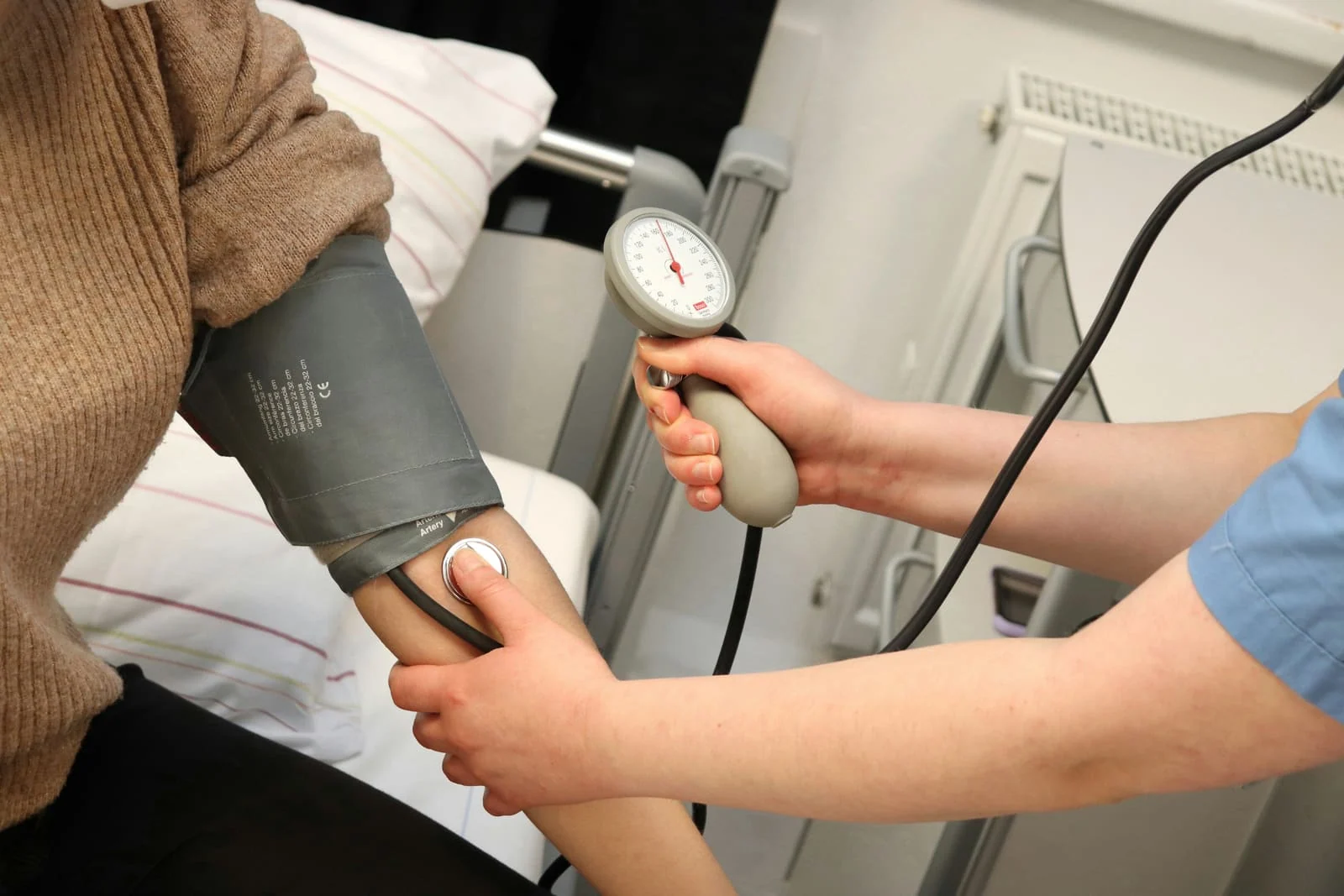
High cholesterol rarely causes symptoms, yet over the years it can narrow arteries and raise the risk of heart attack and stroke. The good news is that it responds well to everyday changes and, when needed, to simple medicines.
What Is High Cholesterol?
Cholesterol is a fatty substance the body needs in small amounts. When levels of LDL, the so-called bad cholesterol, stay high, it can build up in artery walls and slowly restrict blood flow to the heart and brain.
Factors That Raise Cholesterol
Several things can push cholesterol upward:
- Diets high in saturated and trans fats
- Little regular physical activity
- Overweight or carrying extra weight around the waist
- Smoking and heavy alcohol use
- Family history of high cholesterol
- Conditions such as diabetes and an underactive thyroid

Some factors can be changed, and others cannot. Focusing on the ones you can change makes a real difference.
Why Checking Your Levels Matters
Because there are usually no warning signs, a blood test is the only way to know. Knowing your numbers early gives you time to act before damage develops, and lets your doctor track whether changes are working.

What Helps Lower Cholesterol
Many people see improvement with these steps:
- Choosing more vegetables, fruit, oats, beans, and fish
- Cutting back on fried food, processed meats, and sweets
- Walking or exercising most days of the week
- Reaching and keeping a healthy weight
- Stopping smoking
- Taking prescribed medicines exactly as advised
Small habits repeated every day usually matter more than strict short-term diets.
Making a Plan You Can Keep
A simple routine makes lasting change easier:
- Agree on a target level with your doctor
- Swap one familiar food at a time rather than everything at once
- Schedule short walks into your normal day
- Repeat the blood test as advised to track progress
- Never stop prescribed medicine without talking to your doctor
Cholesterol is manageable. With a steady plan and regular checks, most people can lower their risk significantly.
When to See a Doctor
Ask for a cholesterol check if you are over 40, have diabetes or high blood pressure, or have family members who developed heart disease at a young age. If you already take medicine, keep regular follow-up so doses can be reviewed.